01Hail, which is the whole conversation in Texas
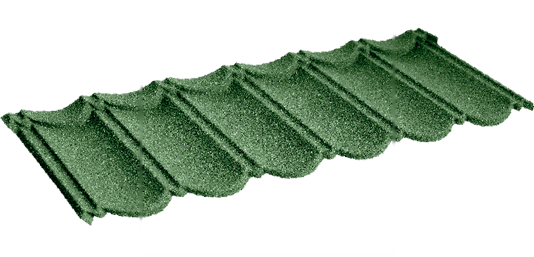
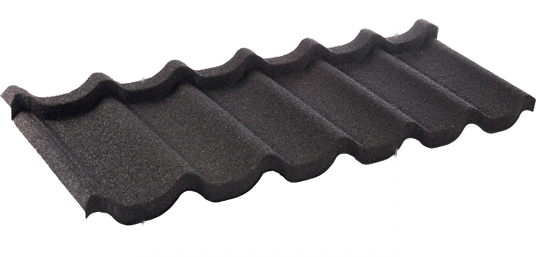
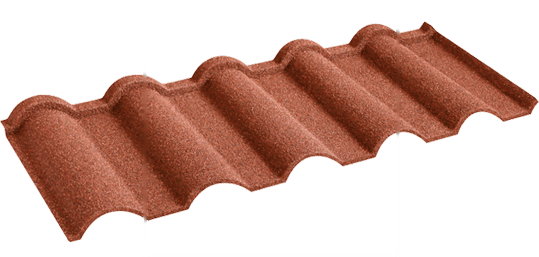
Texas files more hail damage claims than any other state, and the two common tile roofs both have a problem with it: concrete and clay crack, and an aging asphalt shingle loses the granules that were protecting it. QUEENTILE puts natural basalt granules in an acrylic binder over a flexible 0.45 mm steel pan — the stone layer absorbs impact energy and the steel beneath it flexes rather than shatters. If your insurer offers an impact-resistance credit, ask us for the current test documentation before you file for it.
02Burn bans and wildfire exposure
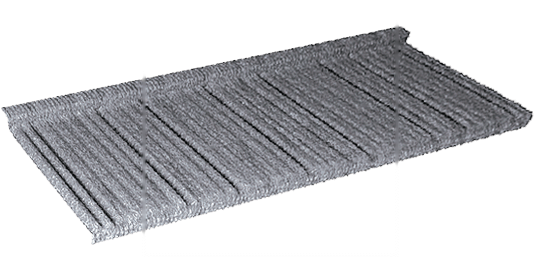
Every QUEENTILE profile is Class A non-combustible. That matters most for the look people reach for in the Hill Country and out west: SHAKE reproduces hand-split cedar down to the split-grain relief, without cedar behaving like cedar when embers land on it. It also will not rot, curl, or feed insects, and it never needs the staining cycle real shake demands.
03Heat, and the deck underneath it
QUEENTILE installs on lath battens with no OSB dependency, which leaves a ventilated air gap between the panel and the deck. Instead of conducting straight down into the attic the way a directly-fastened roof does, the cavity gives the heat somewhere to go — and it means installation is not waiting on a dry deck.
04Gulf coast wind and salt
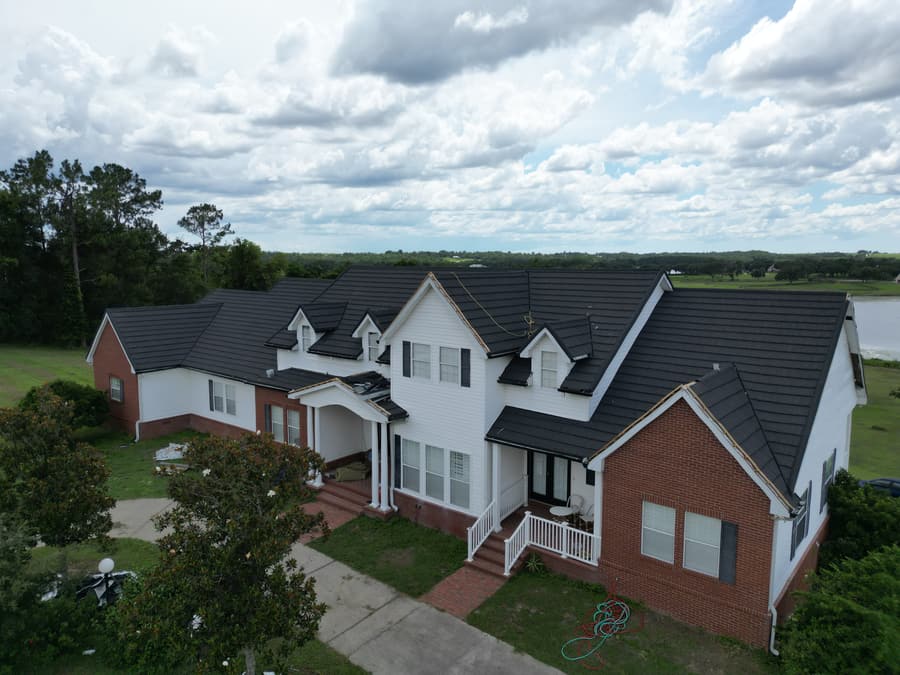
From Corpus Christi through Galveston and up into Houston, the coastal exposure is closer to Florida than to Dallas. QUEENTILE is rated to 155 mph and built on aluminum-zinc coated steel that is up to six times more rust-resistant than conventional galvanized — the same specification that carries our Florida coastal roofs.
05Weight, on the framing you already have
Under 1.4 lb per square foot. A Texas reroof that wants the tile or shake silhouette does not need a structural upgrade to carry it.