01Wind uplift, and the code that measures it
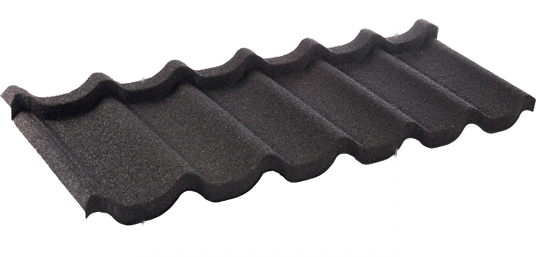
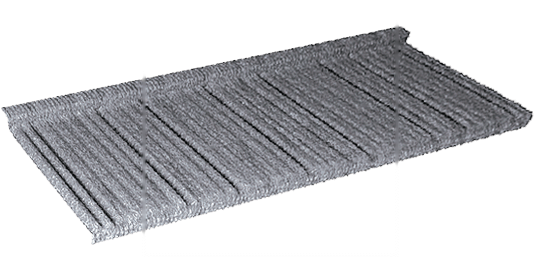
QUEENTILE panels are wind-rated to 155 mph (250 km/h), and the Verona and Shake profiles carry TAS 125 test reports — the Florida protocol for roof-system performance. The panels interlock and fasten mechanically to lath battens rather than sitting as individually bedded field tiles, so an uplift event has a continuous fastened plane to work against instead of a course of separate pieces.
02Salt air, which decides how year fifteen looks
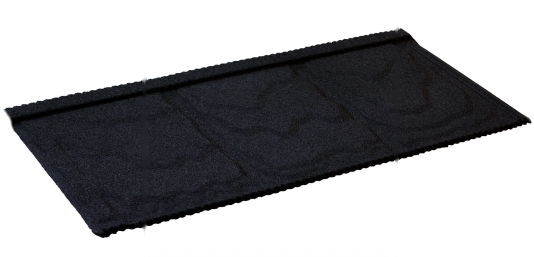
The steel core is coated on both faces with aluminum-zinc — up to six times more rust-resistant than conventional galvanized steel — and then buried under natural basalt granules in a patented acrylic binder and a sealed acrylic glaze. On a barrier island, a bayfront street, or anywhere the afternoon breeze carries salt inland, that stack is what stands between the roof and a decade of corrosion.
03Barrel-tile looks on framing built for shingle
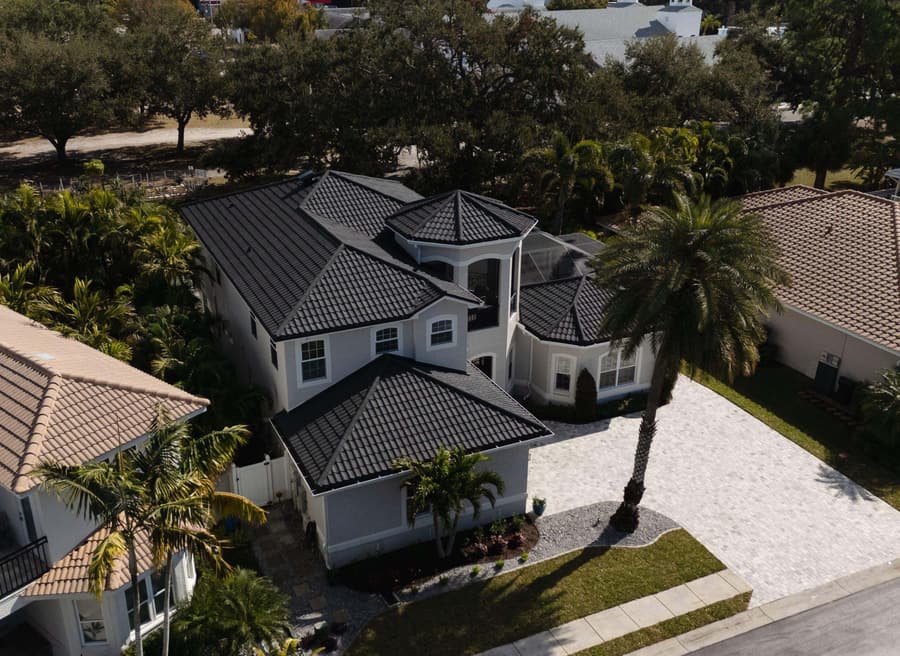
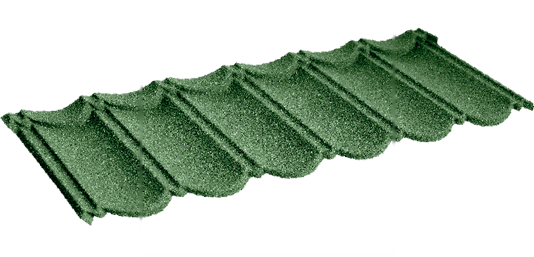
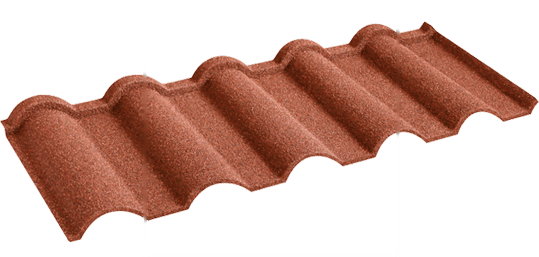
A QUEENTILE roof weighs under 1.4 lb per square foot. Concrete and clay barrel tile weigh several times that, which is why a Mediterranean reroof so often turns into a structural conversation first. Verona gives you the deep half-round course and the shadow line at a fraction of the dead load, on the framing that is already there.
04Sun that bleaches everything else
The color is natural basalt stone, not paint — so there is no pigment layer to chalk, fade, or peel off the south slope. The finishing glaze adds UV protection and sheds dust in the first rain.
05Rain and hail you can sleep through
The basalt granule layer absorbs impact instead of ringing like bare metal. Through an afternoon storm cell a QUEENTILE roof sounds closer to asphalt shingle or clay tile than to standing seam.