QUEENTILE: WE VALUE QUALITY!
At Queentile, durability is central to our design. We understand that longevity and durability are paramount when choosing a roof—a concern often centered around the shedding of stone chippings, as confirmed by an independent end-user survey we conducted.
We are proud to share that our panels are well-suited for any climate, be it extreme hot or cold temperatures, and can withstand harsh environments, including those right on the ocean, withstanding wind, rain, snow, or hail. This extreme durability is a key factor that sets Queentile apart.
Our exceptional strength is achieved through our proprietary coating system:
Premium Foundation: We use South Korean Alu-Zinc steel paired with Italian basalt chippings.
Patented Binding Technology: Our unique, patented acrylic binder, specially formulated by leading German technologists, ensures superior performance:
Maximum Stone Fixation: It securely bonds the stone to the metal across any climatic temperature range, resisting sloughing.
Comprehensive Protection: It provides additional defense against corrosion, atmospheric phenomena, moss, and fungus, while shielding the aluminum-zinc coating from mechanical and dynamic effects.
Superior Finish: A European-made acrylic glaze offers superior protection against moisture, color fading (sunproof), and abrasive dust action. This finish maintains the stone's noble appearance and aesthetic appeal for the entire lifespan of the roof.
This advanced construction makes Queentile super durable, with a coating that does not fade, ensuring exceptional longevity. Furthermore, our use of water-based materials means Queentile is an environmentally friendly choice.
Learn More: Putting Durability to the Test
To demonstrate the superior performance of our patented formula, we have conducted a rigorous series of technical tests comparing Queentile and other manufacturers regarding stone chip shedding. A total of six test samples are shown below:
hot shift
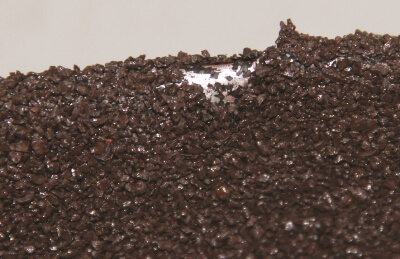
This test helps determine the stability of the roof shingles to high temperatures.. Description of the test: 1) Tiles are placed in the oven (temperature 80 ° C) for 1 hour; 2) Tiles are taken out of the oven and placed on a rail. Pressure is created by the press on the surface at an angle of 70 degrees. Allowed a slight loss of stone, the color should be preserved. Result: the most degraded specimen No2. For other samples, the quality is gradually increasing in the series No3 - No1 - No5. Samples No4 and No6 produced better results at approximately the same level.
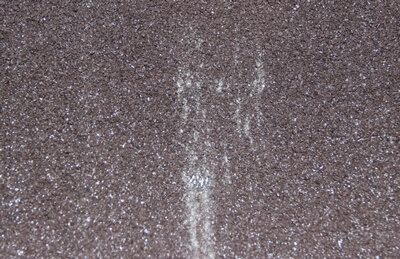 1
1 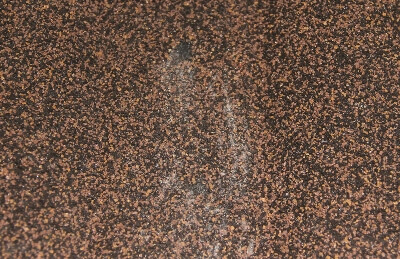 3
3 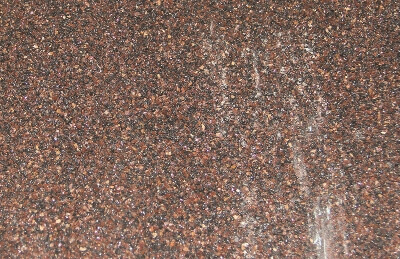 5
5 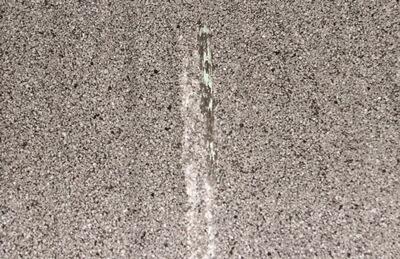 2
2 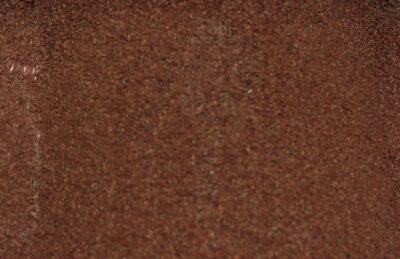 4
4 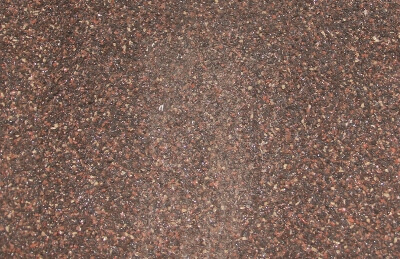 6 QUEENTILE
  1
1 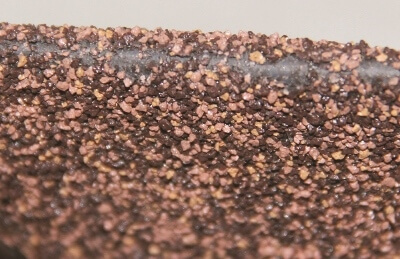 3
3 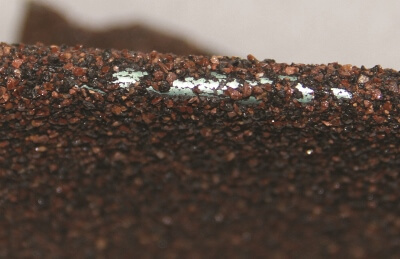 5
5 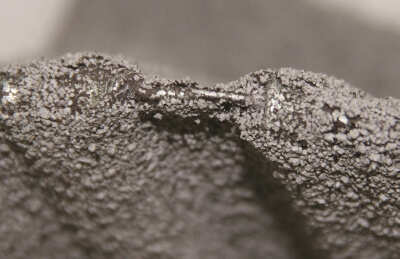 2
2 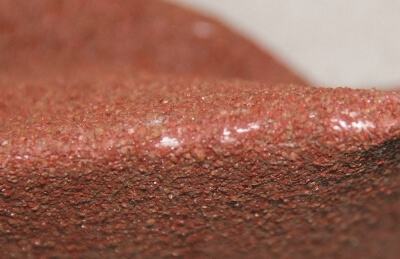 4
4 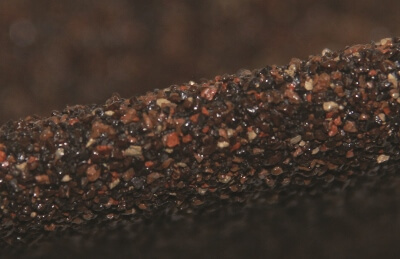 6 QUEENTILE
 cold bend
This test determines the resistance of composite tiles to low temperatures:
Test Description: 1) Tiles are placed in the freezer for 12 hours at -20 °; 2) Tiles are extracted from the freezer and subjected to a fold of 180 degrees; Minor stone loss is acceptable. The color should be preserved.. Result: when exposure to low temperatures or ice build-up, the composite coating is not damaged only in sample No6. In all other samples, a breach of integrity (cracking) is observed at the folding site. composite coating.wet scrubbing
This test determines the resistance of the coating to heavy rainfall and high humidity.
Description of the test: 1) Tiles are immersed in distilled water for 4 hours, after which they are removed; 2) Tiles are mechanically exposed to a hard metal object. Minor stone loss is acceptable. The color should be preserved. Result: samples No5 and No6 are the least susceptible to scratching and breaking the top layer, which indicates the resistance of the tiles of these manufacturers to hailstorms, rainstorms, and mechanical damage.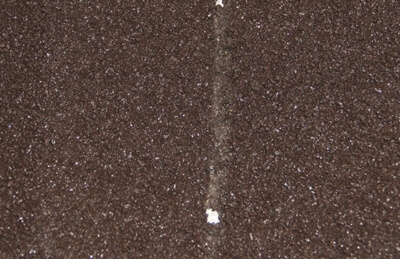 1
1 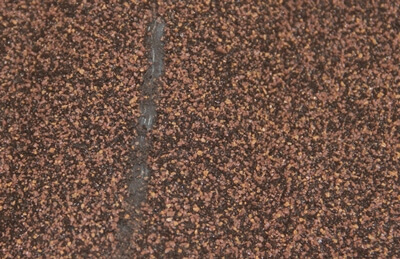 3
3 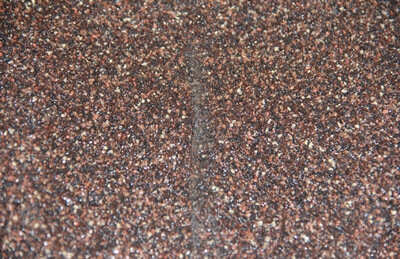 5
5 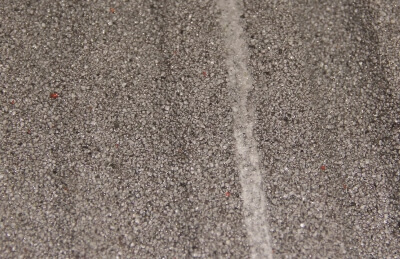 2
2 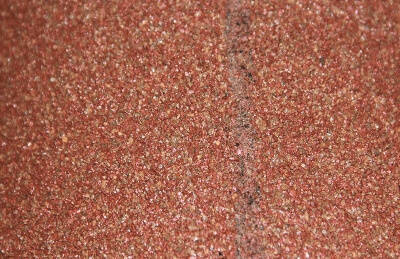 4
4 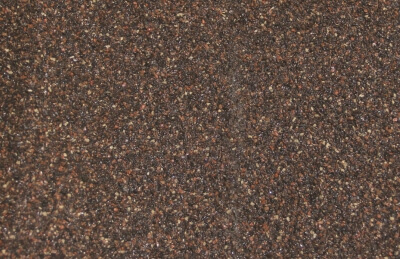 6 QUEENTILE